Materials, at a glance
The boards, papers and films we use most often, and what each is good for.
Paper & board
The faces and cores of boxes, cartons and bags.
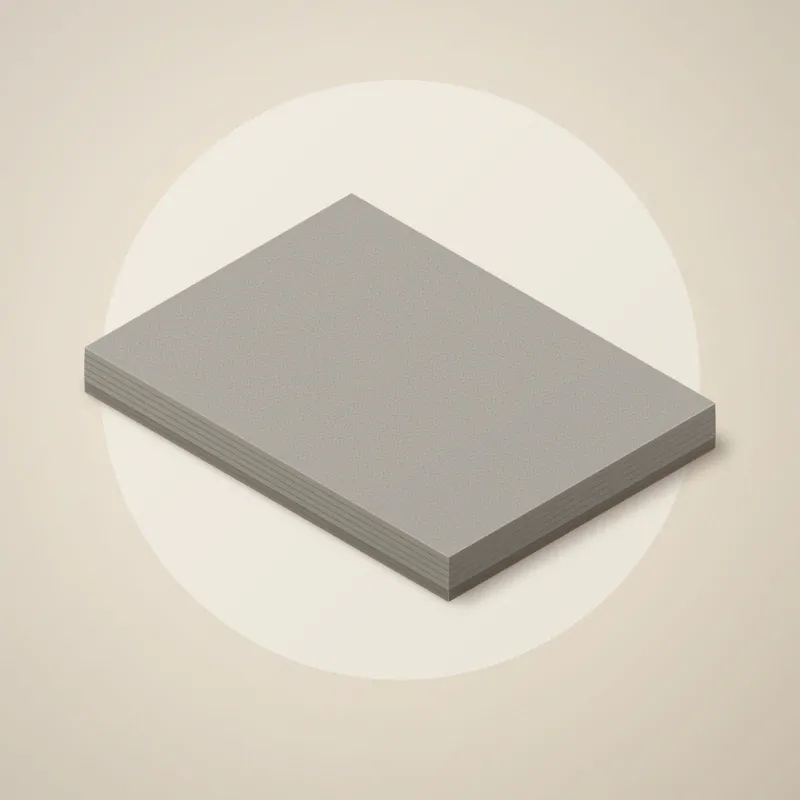
Greyboard
Dense recycled board, 1,200–2,000 gsm, the core of every rigid box.
Wrapped in printed paper; thickness is chosen for the box size.

Coated art paper
Smooth, bright paper that reproduces colour and fine detail accurately.
Available in gloss, satin and matt; pairs well with lamination.
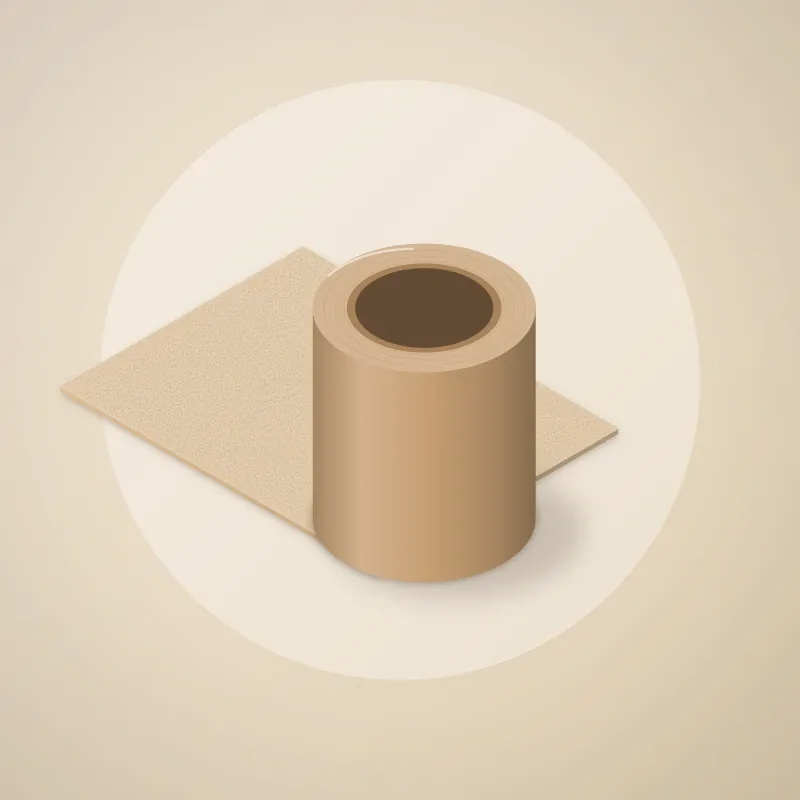
Kraft paper
Strong, natural-toned paper with a visible fibre, brown or white-bleached.
Ink looks softer on brown kraft, so we proof colours on the actual sheet.
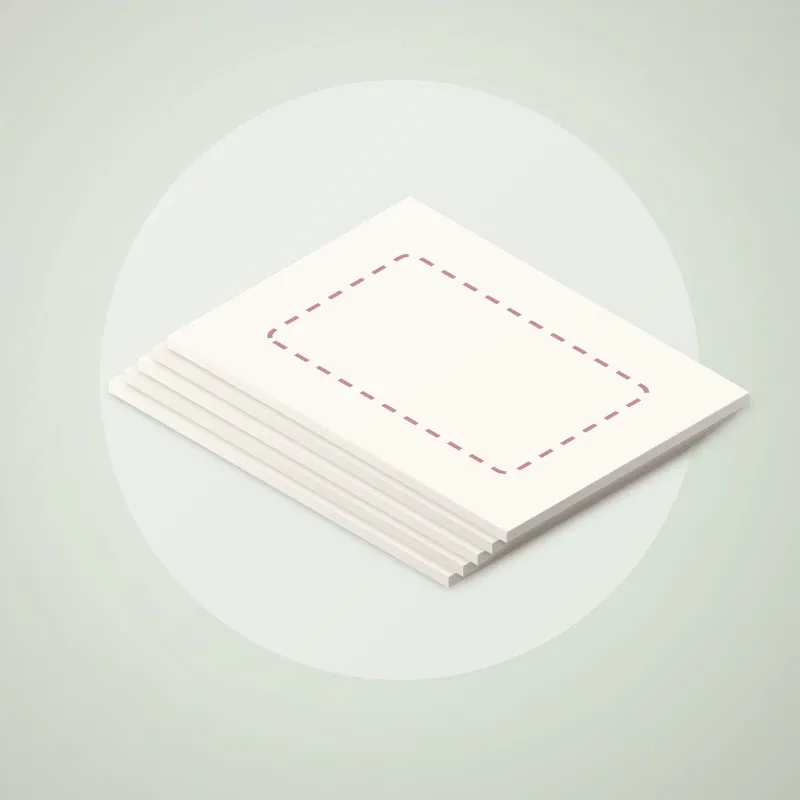
Folding boxboard
Layered paperboard, 250–450 gsm, with a white printing surface.
The standard choice for folding cartons and food-service boxes.
Corrugated
Board for shipping cartons and mailers.
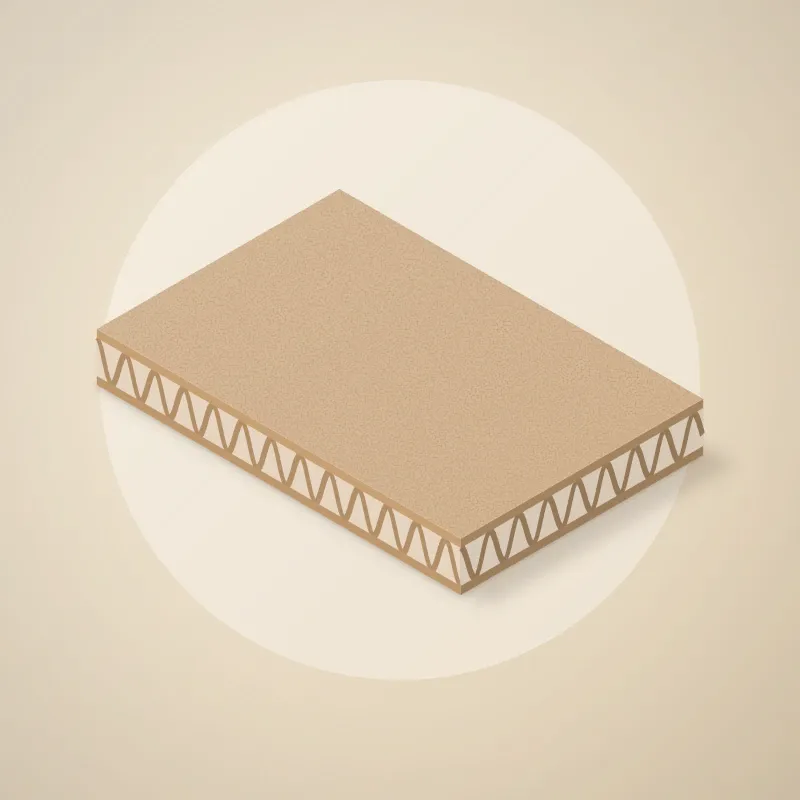
Corrugated board
Fluted paper between two liners: E, B and C flutes, single or double wall.
Choose the flute for the product weight and print quality you need.
Films & labels
Flexible materials for pouches, labels and tape.
Barrier film laminate
PET and PE layers that keep moisture and air out of stand-up pouches.
Metallised or clear; ask for the structure that suits your product shelf life.

Label stock
Paper and film face stocks with permanent or removable adhesive.
Tell us the surface it sticks to, and whether it needs to survive moisture or cold.
How to choose
Three questions narrow the choice quickly.
- What does it need to carry?
- Heavier products need thicker board or a stronger flute.
- How should it feel?
- Kraft feels natural, coated art paper feels crisp, specialty papers feel premium.
- Where does it end up?
- Recycling and food-contact rules change what you can use.
Want to feel them in person?
Ask for a sample kit with our most-used boards and finishes.